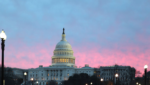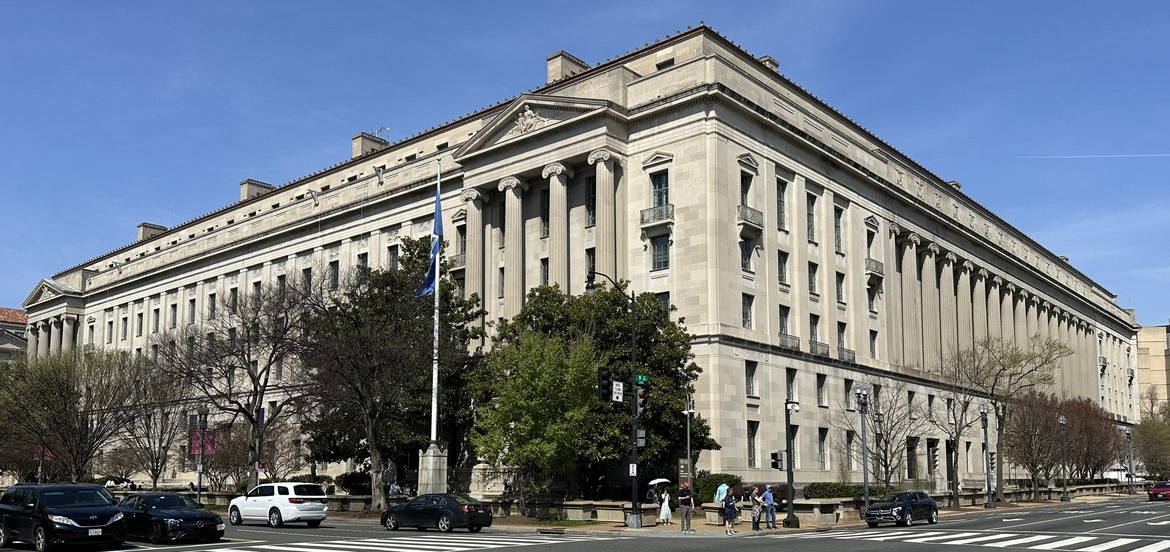
Americans have a right to know when the person lobbying their senator, placing an op-ed or briefing a congressional staffer is being paid by a foreign government. That simple idea has been federal law since 1938, when Congress passed the Foreign Agents Registration Act to expose Nazi propaganda operations. Nearly nine decades later, the law is riddled with exemptions, rarely enforced and badly out of date for an era of sophisticated influence campaigns run by China, Russia and Iran.
With a new Congress arriving in January, here is what is broken, and six concrete ways to fix it.
A law with more holes than teeth
FARA requires people acting as agents of foreign principals in a political or quasi-political capacity to register with the Justice Department and publicly disclose their relationship, their activities and the money involved. A willful failure to register can bring up to five years in prison.
In practice, the law has been a paper tiger. A 2016 audit by the Justice Department’s inspector general found that registrations peaked at 916 in 1987 and then fell sharply. Between 1966 and 2015, the department brought only seven criminal FARA cases, and it had not sought a civil injunction under the law since 1991, the inspector general reported. Among registrants, 62% of initial registrations were filed late and half had filed at least one supplemental statement late. The audit concluded that the department “lacks a comprehensive FARA enforcement strategy.”
The inspector general also pointed to a likely culprit in the decline: the Lobbying Disclosure Act of 1995, which “carved out a significant exemption to FARA.” Under that exemption, a lobbyist representing a foreign company, rather than a foreign government or political party, can file lighter-touch lobbying reports instead of registering as a foreign agent, even when the company is closely tied to a hostile state.
Enforcement then narrowed further. On Feb. 5, 2025, Attorney General Pam Bondi directed that criminal FARA charges be limited to cases alleging “conduct similar to more traditional espionage by foreign government actors,” disbanded the FBI’s Foreign Influence Task Force and told the department’s FARA Unit to focus on civil enforcement and guidance, CyberScoop reported. The memo cited the need to “end risks of further weaponization and abuses of prosecutorial discretion.” Whatever one thinks of that rationale, it leaves the law dependent on civil tools Congress has never fully provided.
Why it matters
When the law has been enforced, the cases have been serious. Paul Manafort pleaded guilty in 2018 to charges that included failing to disclose that he was being paid by Ukraine’s government and its then-president, Viktor Yanukovych. Former Sen. Bob Menendez, a New Jersey Democrat, was convicted in 2024 on bribery charges that included acting as an agent of the Egyptian government, and was sentenced to 11 years in prison.
Congress keeps noticing; the House Ways and Means Committee held a hearing on foreign influence in American nonprofits early this year, according to a Wiley Rein analysis. But most reform bills never become law.
Six fixes
1. Close the lobbying loophole for adversaries now. The PAID OFF Act (S. 3050), sponsored by Sen. John Cornyn, R-Texas, would bar agents of companies or government entities owned or controlled by countries on a statutory list of countries of concern, including China, Russia, Iran, North Korea and Cuba, from using FARA’s commercial, domestic-interest and lobbying exemptions. Cosponsors include Republicans Chuck Grassley and James Risch and Democrats Sheldon Whitehouse and Peter Welch. The Foreign Relations Committee reported it without amendment in July, and it has been sitting on the Senate calendar since, according to the bill record. The Senate should pass it this session, and its five-year sunset should give way to a required review.
2. Make every lobbyist say whether they are using the exemption. The Lobbying Disclosure Improvement Act (S. 865) would require lobbying registrants to state whether they are relying on the lobbying exemption in place of FARA registration, and the Disclosing Foreign Influence in Lobbying Act (S. 856) would require lobbyists to identify any foreign government or political party that participates in directing their work, even if it does not pay for it. Both passed the Senate late last year, as they had in the previous two Congresses, but neither had gained House cosponsors or a markup as of January, Covington & Burling attorneys reported. The House should pass them.
3. Give investigators the power to ask questions, with guardrails. The Justice Department has long said it struggles to compel information from possible unregistered agents and has sought civil investigative demand authority. Sen. Richard Blumenthal’s S. 1488 would grant that power and create civil penalties for failing to register, according to a legislative tracker kept by the U.S. Center for Nonprofit Law. The inspector general agreed such authority “could be a useful tool” but warned it needs “appropriate controls and oversight.” Congress should write those controls in, including senior-level approval and reporting to the Judiciary committees.
4. Replace rare prosecutions with routine civil fines. If criminal charges are now reserved for espionage-like conduct, late and incomplete filings need a consequence that does not require a grand jury. Graduated civil penalties for late registration, missing supplemental statements and unlabeled materials would make compliance the cheaper option. That is also the best answer to fears of politicized prosecutions: clear rules and predictable fines.
5. Require retroactive registration. Some agents quietly stop their foreign work before anyone notices, and then argue they have nothing to disclose. A bill from Sen. Grassley (S. 981) and Rep. Ben Cline (H.R. 3229) would clarify that former agents must register retroactively for past activities and require the attorney general to report annually to Congress on enforcement.
6. Modernize the disclosures themselves. FARA filings should be searchable, machine-readable data. Registered agents contacting members of Congress or staff should identify themselves up front, an idea Grassley has offered as a defense bill amendment. And the Government Accountability Office should audit how the lobbying exemption is used.
The objections
Civil liberties groups worry that broad definitions could sweep in nonprofits, academics, journalists or Americans who simply share a foreign government’s view. That concern deserves a serious answer. Disclosure, not prohibition, should remain the rule. Reforms should target paid or directed work for foreign principals, keep existing exemptions for religious, academic and legal work, and use clear definitions rather than vague tests. The Justice Department proposed a rewrite of FARA’s regulations in January 2025; this publication could not confirm that it has been finalized, one more reason for Congress to settle the key questions in statute.
The bottom line
Conservatives have warned for years about Beijing’s reach into American institutions, and Democrats about Moscow’s. FARA reform is where both concerns point to the same answer: more sunlight, firmer rules and penalties that are actually used. The bills exist, several have passed the Senate, and the evidence of failure is in the Justice Department’s own audit. The next Congress should finish the job.
Sources: U.S. Department of Justice Office of the Inspector General, Audit of the National Security Division’s Enforcement and Administration of FARA (Sept. 7, 2016); CyberScoop (Feb. 6, 2025), on Attorney General Bondi’s Feb. 5, 2025 memo; Wiley Rein (Feb. 23, 2026); Covington & Burling, Inside Political Law (Jan. 5, 2026); The Lobby News bill record for S. 3050 (latest action July 27, 2026); U.S. Center for Nonprofit Law FARA legislation tracker (2026); Federal Register, “Amending and Clarifying Foreign Agents Registration Act Regulations” (Jan. 2, 2025). Recommendations to drop the S. 3050 sunset and the design of civil fines are this publication’s views; bill status is current as of the sources cited.