
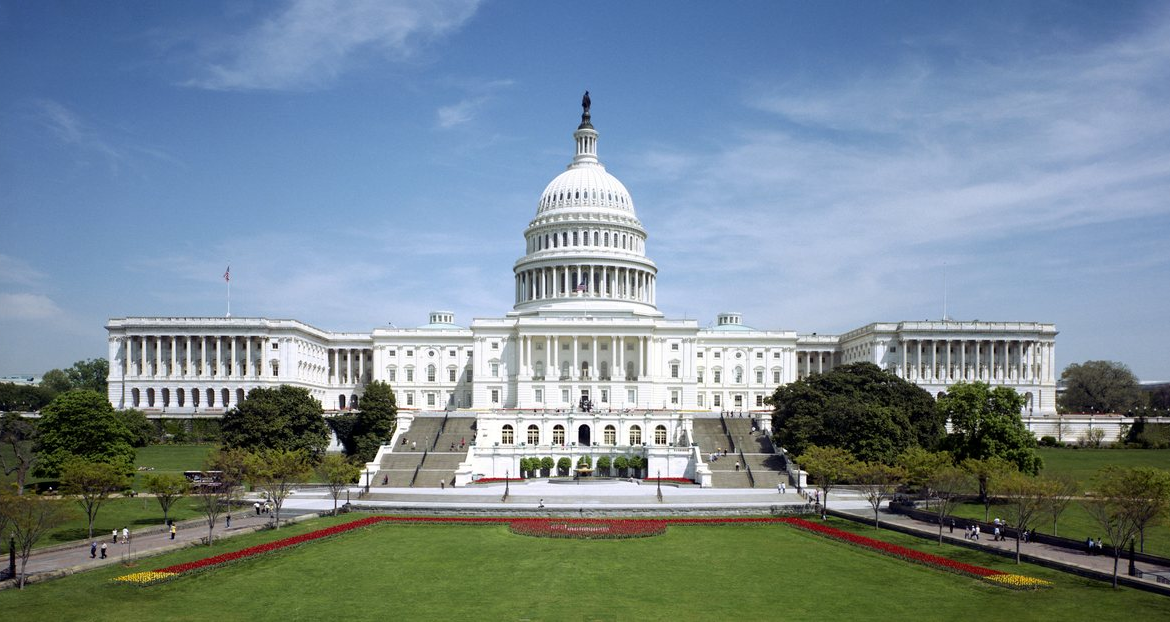
For 17 years, Rear Adm. Brian Monahan was the doctor members of Congress and Supreme Court justices turned to when they got sick. This week he resigned, as a Pentagon watchdog released a report describing a congressional medical office that kept its own pharmacy, turned away inspectors and told the military’s inspector general that its Navy sailors could not talk without “the express consent of Congress.”
“My understanding is he’s resigned,” Senate Majority Leader John Thune said Thursday, CBS News reported. A source familiar with the matter told CBS that Monahan, a two-star admiral, resigned after allegations of misconduct “related to what he chose to do and asked the sailors under him to do in terms of providing care.” Those allegations have not been publicly detailed or adjudicated, and the Office of the Attending Physician did not respond to multiple requests for comment from CBS. The Navy is conducting its own inquiry.
What the watchdog found
The Office of the Attending Physician, created in 1928, provides care to members of Congress, Supreme Court justices, congressional staff and visitors in emergencies. Its clinical staff is detailed from the Navy: as of August 2025, five physicians, two pharmacists and 11 corpsmen. For fiscal 2026, Congress appropriated $4.856 million for the office, including $3.388 million to reimburse the Navy. Members pay an annual fee for routine care; the most recent form investigators obtained, from 2022, listed $646.32.
Those details come from the Defense Department inspector general’s management advisory DOWIG-2027-026, dated Nov. 9 and made public Friday. The heavily redacted report, based on an evaluation from September 2025 through July 2026, makes two core findings.
No one in the Pentagon is overseeing the care. Since oversight of Walter Reed shifted from the Navy to the Defense Health Agency in 2013, no agreement assigned anyone to oversee clinical quality for Navy personnel at the office. Investigators “confirmed that no DoW entity currently believes it has been assigned the responsibility.” That gap exists even though a 2021 defense law requires the department to oversee health care delivered by its personnel wherever it is provided.
The pharmacy could not show it had been inspected. The office runs an independent pharmacy that stocks controlled substances and is registered with the Drug Enforcement Administration. The inspector general “found no record that the DEA has inspected the OAP pharmacy” and no evidence of required Pentagon inspections. In August 2024, a senior office official declined Walter Reed’s offer of a pharmacy assistance visit. The office invited a Walter Reed inventory board in seven times between January 2023 and February 2026, short of the quarterly requirement. In February 2026, that board found:
- a 140-tablet shortage of a Schedule IV sleep aid;
- a 23-tablet shortage of a second, expired Schedule IV sleep aid;
- an overage of four tablets of an expired Schedule II opioid pain medication;
- about 600 expired auto-injectors stored “unsecured on a high shelf without tracking or inventory logs”; and
- medical bags used on congressional trips lacking required prescription or dispensing records.
Nobody knows whether those problems were fixed, because the board has no authority to require corrections. Navy medical personnel told investigators the office only “loosely” follows Navy pharmacy guidelines. The report warns that the gaps could “result in OAP beneficiaries unknowingly assuming health and safety risks because clinical and prescribing practices were not monitored.” It also notes that after the draft was issued, “multiple Navy OAP personnel” requested health and safety transfers.
Congress closed the door
The most striking part of the report is how the investigation was blocked. Federal law, 10 U.S.C. 1034, says “no person may restrict a member of the armed forces in communicating with a Member of Congress or an Inspector General.” Yet on Sept. 8, 2025, Monahan told the inspector general he was recusing himself and directed investigators to congressional counsel. On March 10, 2026, the House deputy general counsel told the inspector general that Navy personnel at the office could not share or discuss any information without “the express consent of Congress.” A final request for records and interviews on Aug. 13 was never granted. The Navy’s own inspector general had earlier been denied internal documents too.
As a result, investigators never saw the office’s clinical quality policies, internal pharmacy procedures, prescription records, climate assessments or peer reviews. Its five recommendations, which the report lists as “resolved but open” after Pentagon health officials responded, include naming an organization to oversee the Navy medical staff, writing clear policies, reviewing the pharmacy’s inspection history and asking the DEA or the Pentagon to inspect it within 90 days if it has not been inspected as required.
What the sailors say
A day before the resignation, Military Times reported that several sailors had been reassigned from the office. Four people who worked there, speaking anonymously out of fear of reprisal, described 70- to 80-hour weeks, pressure not to take leave and threats to monthly bonuses. One active-duty sailor said their duties included tasks “no one else wants to do,” such as “cutting a congressman’s toenails or bringing their medication to their private residence at 3 a.m.” A former corpsman said a supervisor threatened deployment orders after the corpsman asked to leave. The Navy and the office did not respond to the outlet’s requests for comment. These accounts are allegations and have not been tested in any formal proceeding.
Our view: Congress cannot exempt itself from oversight
Nothing in the public report says anyone stole drugs or harmed a patient, and no charges against Monahan have been reported. But the story is about something conservatives have warned about for years: an institution that writes the rules for everyone else and then shields itself from them. A small business pharmacy that refused DEA inspections and blocked investigators would be in serious trouble. Congress’s own pharmacy did both, and the lawyers who blocked the inquiry worked for the House.
Five fixes would go a long way.
1. Open the door. House and Senate leaders should direct their counsel to give the inspector general access to the records and personnel it requested, with patient information removed, as investigators had already offered.
2. Inspect the pharmacy now. The DEA or the Pentagon should complete a full inspection and inventory within the 90 days the report recommends, and the results should be shared with the House Administration and Senate Rules committees.
3. Put oversight in writing. The Pentagon should formally assign responsibility for the Navy medical staff, and Congress should write that requirement into the next defense bill so it does not depend on goodwill.
4. Protect the sailors. The service members assigned to the office are protected by the same whistleblower law as every other member of the military. Congress should affirm in writing that no legislative-branch lawyer can override it.
5. Spell out the mission. Navy corpsmen are trained for combat medicine and patient care, not personal errands. Congress should publish clear rules on what the office does and does not do, and how members pay for it.
The next attending physician will inherit a damaged office. The way to restore trust is to let the watchdogs in.
Sources: Department of War (Defense) Office of Inspector General, Management Advisory DOWIG-2027-026 (Nov. 9, 2026); CBS News (Nov. 13, 2026); Military Times/Navy Times (Nov. 12 and Nov. 13, 2026); 10 U.S.C. 1034. Allegations of misconduct have not been publicly substantiated, and no charges have been filed. “Our view” and the recommendations are this publication’s opinion.



