
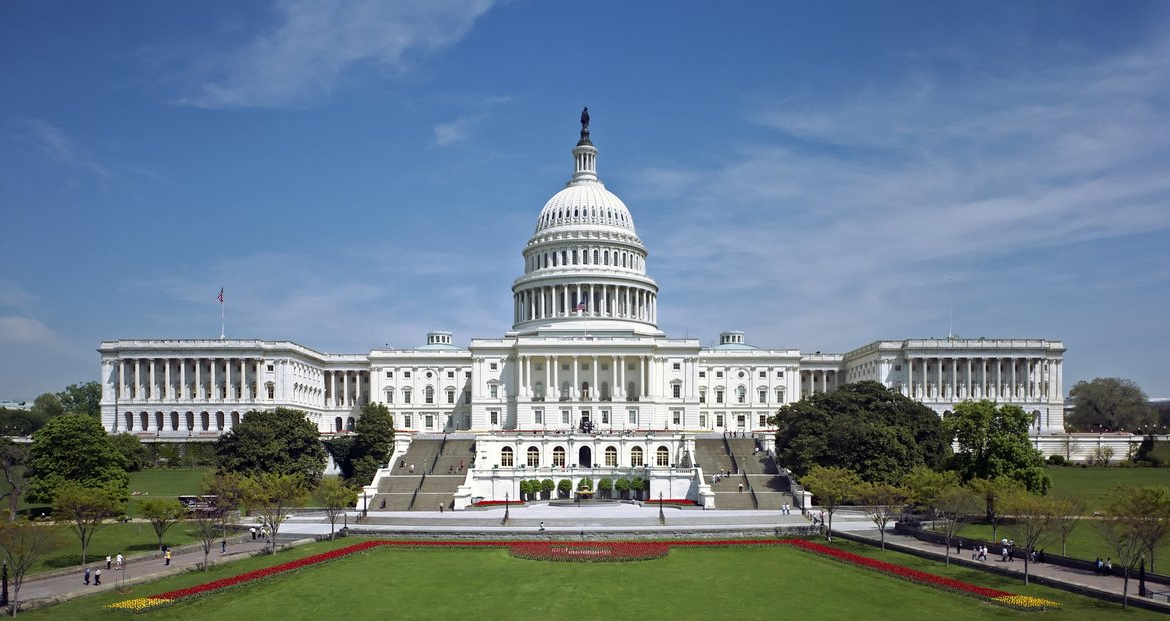
Americans do not need another lecture about trust in Congress. They need a rule that makes it harder for lawmakers to trade the same stocks their committees oversee. This site’s Question of the Week poll #16 asked it directly: Should members of Congress be banned from buying and selling individual stocks while in office? The STOCK Act already requires disclosure. Disclosure is not a ban. In 2026 the House passed a partial fix; the Senate killed it on a cloture vote. Here is a concrete reform package that would finish the job.
This is a solutions piece. It is not a dark-money essay. It is about personal financial conflict — the kind of conflict every corporate compliance office already polices more tightly than Capitol Hill polices itself.
What the law is now
The Stop Trading on Congressional Knowledge Act of 2012 — the STOCK Act — made explicit that members of Congress and their staff are not exempt from insider-trading laws and required periodic disclosure of covered trades. In practice, late filings, opaque asset descriptions and weak penalties have left the public with a paper trail that often arrives after the political damage is done. Roll Call summarized the bipartisan complaint: disclosure rules are “easy for them to flout, whether intentionally or unintentionally.”
That is why ban proposals keep returning. The point is not that every member who owns stock is a crook. The point is that trading around legislation, regulation and classified briefings — in appearance or in fact — corrodes consent.
What almost passed in 2026
H.R. 7008, the Stop Insider Trading Act sponsored by Rep. Bryan Steil (R-Wis.), passed the House on July 22, 2026, by a 232–198 vote. The Congressional Research Service summary on Congress.gov says the bill generally prohibits members of Congress and their spouses and dependent children from purchasing stocks (and comparable economic interests), while requiring public notice before sales. Widely held investment funds and certain trust holdings are exempt. Violations trigger a fee equal to the greater of $2,000 or 10% of the transaction value, plus net gains over a specified period — and the fee may not be paid from campaign funds or official allowances.
Roll Call’s account of the Senate fight adds operational detail: members could keep stocks they already own and continue to sell them, but would have to give public notice at least seven days and no more than 14 days in advance. On Sept. 30, 2026, the Senate failed to invoke cloture on the motion to proceed, 53–47 — seven votes short of 60. CNBC reported the same tally and noted Republicans had attached a photo voter-identification provision that Democrats called a “poison pill.” Senate Minority Leader Chuck Schumer called the stock bill a “theatrical farce”; Republicans, including House Majority Leader Steve Scalise, framed the Democratic “no” as a vote against accountability.
Both critiques contain a grain of truth. H.R. 7008 was a buy ban, not a full ownership ban, and the voter-ID rider helped guarantee a party-line death in the Senate. A more stringent Hawley measure — banning trading and ownership for lawmakers, the president and vice president and their families — advanced in Homeland Security committee but never reached the floor, Roll Call reported. Messaging bills that die on purpose do not restore trust.
Five reforms that would actually bite
1. Ban ownership and trading of individual equities — not just new purchases. Allow diversified mutual funds, broad-based ETFs, U.S. Treasuries and similarly non-discretionary vehicles. Force divestiture of individual common stocks, options and single-name derivatives within a fixed window after taking office (for example 90 to 180 days), with a qualified blind trust as an alternative for complex holdings. H.R. 7008’s purchase ban is a start; Hawley’s ownership ban is closer to the standard corporate America already imposes on executives with material nonpublic information.
2. Cover spouses and dependent children for real. H.R. 7008 already reaches spouses and dependents for purchases, with limited exceptions for employer compensation and trades made on behalf of others. Keep that coverage. Close loopholes that let a member park trading in a household account while claiming clean hands. If the information advantage is familial, the restriction must be familial.
3. Shorten disclosure to seven days — with automatic penalties that hurt. Even under a ban, residual sales, fund rebalancing mistakes and trust activity should hit a public database within seven days, not 30 or 45. Late filing should trigger escalating fines that cannot be paid with campaign cash, modeled on H.R. 7008’s fee structure but indexed upward for repeat offenders. Transparency that arrives after the news cycle is public relations, not deterrence.
4. Apply the same rules to senior executive-branch officials. Cabinet secretaries, deputy secretaries, and White House commissioned officers at the assistant-to-the-president level or above should live under the same individual-stock ban and blind-trust options. Congress should not purify itself while leaving the agencies that write rules and award contracts on a weaker honor system. Reciprocity also improves the politics: a bill that binds both ends of Pennsylvania Avenue is harder to caricature as a one-chamber stunt.
5. Separate ethics from election riders. If voter identification is worth passing — and many conservatives believe it is — pass it on its own recorded votes. Bolting it onto a stock ban, as Republicans did on H.R. 7008, gave opponents an easy excuse to sink a popular ethics measure. Democrats who demanded a “real” ban while voting against cloture on any ban likewise chose messaging over progress. Clean vehicles. Up-or-down votes. No poison pills either direction.
What this is not
It is not a claim that every member who beat the S&P 500 is guilty of insider trading. Ban regimes exist because proof of illicit tip-offs is rare and the conflict is structural. Nor is this a wealth tax: lawmakers may still invest through diversified funds. They may not pick individual names ahead of hearings or rescue bills. Civil ethics rules and criminal prosecutions are complements; disclosure alone has failed the confidence test for more than a decade.
How to move it in the lame duck — and in January
- Reintroduce a clean ownership-and-trading ban covering members, spouses, dependent children, and senior executive officials, with ETF/mutual-fund/Treasury carve-outs and a hard divestiture clock.
- Use privileged procedures or a stand-alone ethics vehicle so the bill cannot be buried behind unrelated riders.
- Publish a joint House-Senate ethics FAQ explaining permitted funds, blind-trust mechanics and penalty schedules before the effective date, so “confusion” is not a defense.
- Require the House and Senate ethics committees to post a machine-readable trade-and-divestiture dashboard updated weekly.
The bottom line
H.R. 7008 proved a majority of the House will vote to restrict congressional stock purchases. The Senate’s 53–47 cloture failure on Sept. 30 proved that a half-measure wrapped in a partisan rider will not clear 60 votes. The public’s demand, reflected in polls including this site’s Question of the Week, is simpler: no individual-stock trading by people who write the rules.
Conservatives who distrust concentrated power should like this reform. So should liberals who distrust self-dealing. Write a ban on individual equities, allow diversified funds, cover families and senior officials, disclose leftovers in seven days, and punish violations with fees that bite. Then members can argue about taxes, wars and borders without asking voters to wonder whether the speech and the brokerage account are the same trade.
Legislative history is from Congress.gov (H.R. 7008), Roll Call and CNBC reporting on the Sept. 30, 2026, cloture vote. STOCK Act background reflects the 2012 statute’s disclosure-and-liability design. Poll #16 is this site’s Question of the Week; national polling figures are cited only where independently published.



